
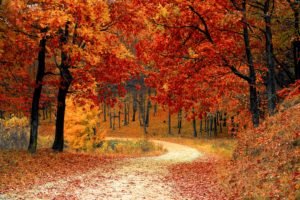
Seasons are the parts a year is divided into. In the modern calendar, there are four major seasons in a year which include Spring(1st march-31st may), Summer(1st June-31st august), Autumn, (1st September-30th November) and Winter(1st December-28/29th February).
Seasons mark changes in the weather, temperature, ecology, duration of days and nights and bring specific colors to the planet earth and each one has its own features and characteristics. In the Valley, a year is seasonally divided into six parts which include the following:
Sonth – Spring season (mid-March to mid-May): In Soanth, flowers bloom and trees begin to grow. The days grow longer and warmer as the season begins. It is the season when mustard blooms and the temperature ranges between 150 C and 250 C. Also, migratory birds start their arrival in this season.
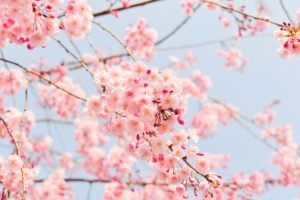
Grishum – Summer season (mid-May to mid-July): Grishum is the hottest season and the temperature goes up to 350 C. It is the season of mustard harvesting and paddy cultivation. This is the season of activity in the agricultural fields succeeding the two cold seasons.
Vahrath – Rainy season (mid-July to mid-September): Vahrath is the season of frequent rains. Days are long enough and temperature ranges between 130 C to 350 C. In this season, the probability of floods is the highest in Kashmir.
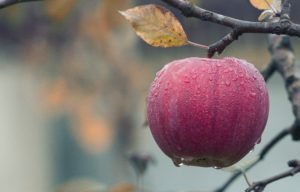
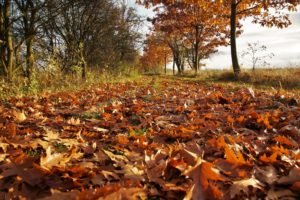
Harud – Autumn season (mid-September to mid-November): Harud starts when the leaves of trees, except the evergreen trees, of the valley turn brown. The days get shorter and colder while leaves start falling from trees. It is the season of apple and paddy harvesting when people start storing essential commodities for the following two harsh seasons.
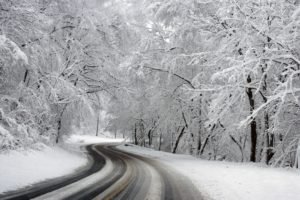
Wande – Cold season (mid-November to mid-January): In Wande, days are shorter and nights are comparatively longer. People restrict their daily activities and stay inside for hours as the snow engulfs the whole valley. Chilaikalaan starts in this season, from December 21st and ends around February 1st.
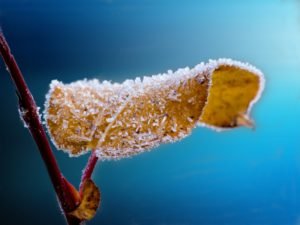
Shishur – Very cold season (mid-January to mid-March): This is the coldest season and the temperature goes below -200 C in its beginning days. However, after mid-February, snow starts melting and rain showers frequent as the season reaches its end.
Nowadays the valley is experiencing the Grishum spell of season. It is a season of high temperature and humidity.
The seasonal shifts in Kashmir dictate a number of human activities particular to each of the specific seasons described above. The common activities that one can notice around one’s neighbourhood, village, town or city for different seasons include:
Nende
Nende is an agricultural activity of removing harmful and parasitic weeds and thinning and filling the gaps between the paddy plants in the field. It is done with hands just after 35-40 days of cultivation of paddy or Thejkaad.
Before the advent of the pesticides, a few decades before, Kashmiris would carry out this task at least thrice in one paddy season. Since one has to stay in muddy water for the whole day extracting the weeds in the heat, people get sunburns and infections. To avoid these diseases or Khaez Lagin, people used to apply pine resin called Kellum, on their legs and arms up to their elbows before getting into the field. Nowadays, it has been replaced with chemically pregnant sunscreens and ointments.
Kitchen Gardening
If you look around, women mostly are harvesting onions, garlic, potato and dwarf beans. Some households whose yield in produce is above their personal quota sell it to local vendors at very low costs. The reason for such sales is the lack of proper storage facilities and techniques in rural areas. Meanwhile, onions and garlic are being transported and supplied to markets at low prices. It is a matter of concern that with the entry of domestic items prices in the valley markets fall below half the actual set market price.
In Kashmir, onions and garlic are harvested between the last week of June and the first week of July, while in the neighbouring places, these items are harvested after the first week of August. If there is a provision for warehousing facilities and viable transport, all these could be exported to other places where there is an immense shortage of such items during this period.
Fruits
Plums, apricots and cherries are being harvested and are being sent to both local and foreign markets. Growers are also busy in cutting grass and most of them are using mechanical brush cutters besides adding organic and inorganic fertilisers and manures to the fruit trees.
From within Kashmir, peaches are being transported to Kolkata and other southern states of India. However, in this season, the cherry growers could not get sufficient and expected returns as there was a huge drop in the price and demand outside the valley. If there were other opportunities for export apart from the sole tunnel route, there would be better results and returns as well.
Local Tourism
People are organising trips with families and friends to various charming places of the valley like Pahalgam, Verinag, Kokernag, Achabal, Nishat, Gulmarg and so on. In Jammu, the summer vacation ends and new session starts in schools, colleges and universities. Flowers are adding beauty to the parks, stream banks and meadows. Beyond exams, some of the schools are organizing summer camps while some are taking their students to various picnic spots across the State. Also, since 1868 and in this season, the yearly Amarnath Yatra begins in the valley.
Advertisement